
Price-to-Book Ratio Explained: Formula, Examples and the Value Trap
Price-to-book ratio explained with formulas, book value per share, tangible book value, ROE, bank examples and the classic low-P/B value trap.


Price-to-book ratio explained with formulas, book value per share, tangible book value, ROE, bank examples and the classic low-P/B value trap.
Compound interest explained with formulas, examples, monthly contributions, fees, inflation, the Rule of 72 and realistic investing assumptions.

Dividend yield is simple to calculate but easy to misread. Learn forward and trailing yield, payout coverage, ex-dividend mechanics and how to identify a yield trap.

EBITDA strips out interest, taxes, depreciation and amortization—but it is not cash flow. Learn the formula, worked examples, adjusted EBITDA and the traps investors miss.
Gross margin shows how much revenue remains after direct costs, but the number means very different things across industries. This guide explains the formula, worked examples, margin expansion, pricing power
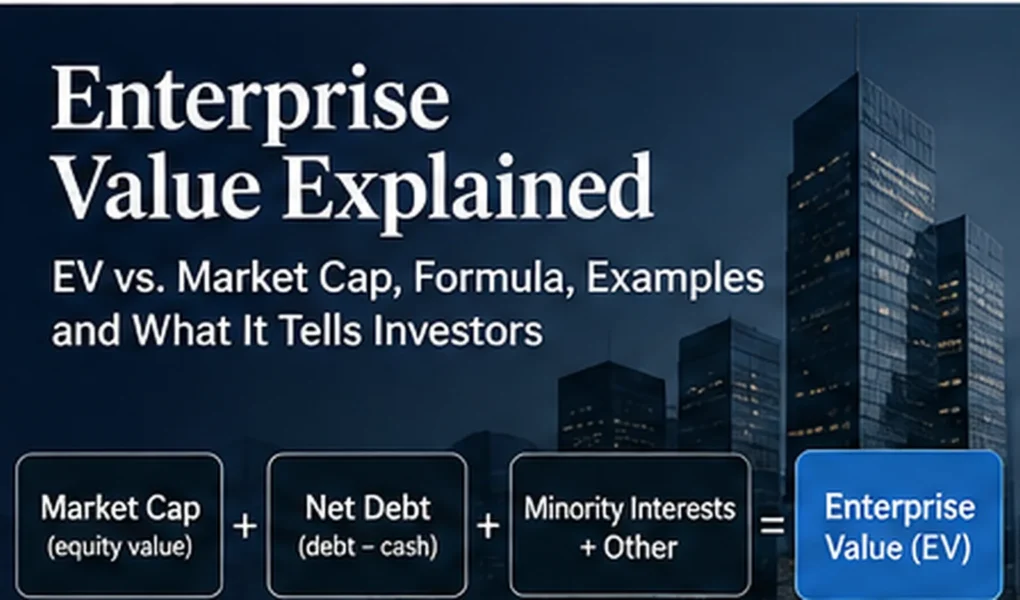
The price-to-sales ratio is popular when earnings are negative, especially in software and growth stocks. This guide explains the formula, margin math, enterprise-value alternatives and the traps that make low
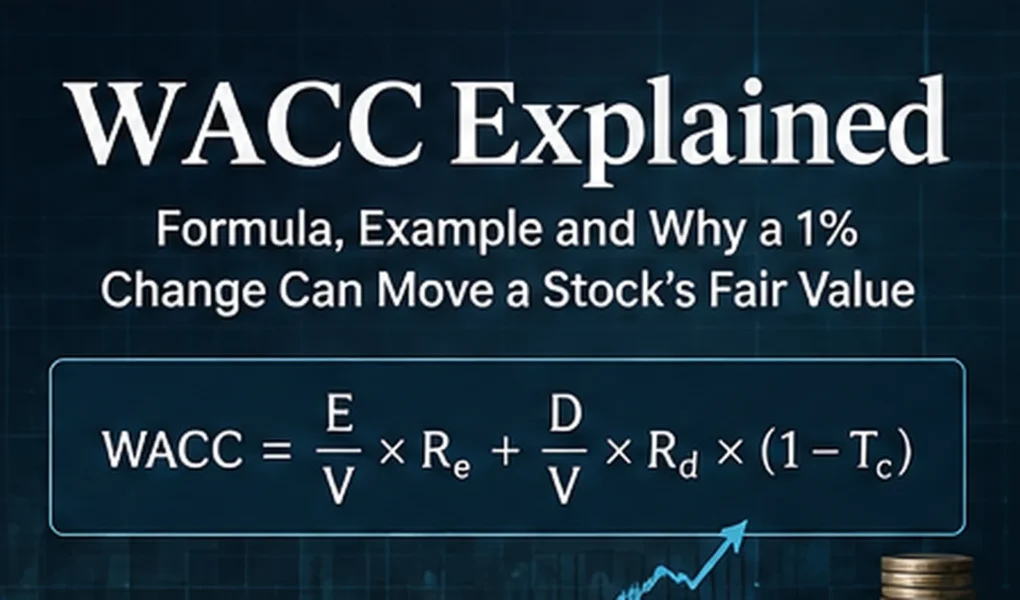
The PEG ratio tries to fix the biggest weakness of the P/E ratio by adding growth. This guide explains the formula, worked examples, fair-value logic, growth traps and when PEG

Share dilution is easy to miss because your brokerage account still shows the same number of shares. This guide explains how new shares, stock-based compensation, warrants and convertibles change what
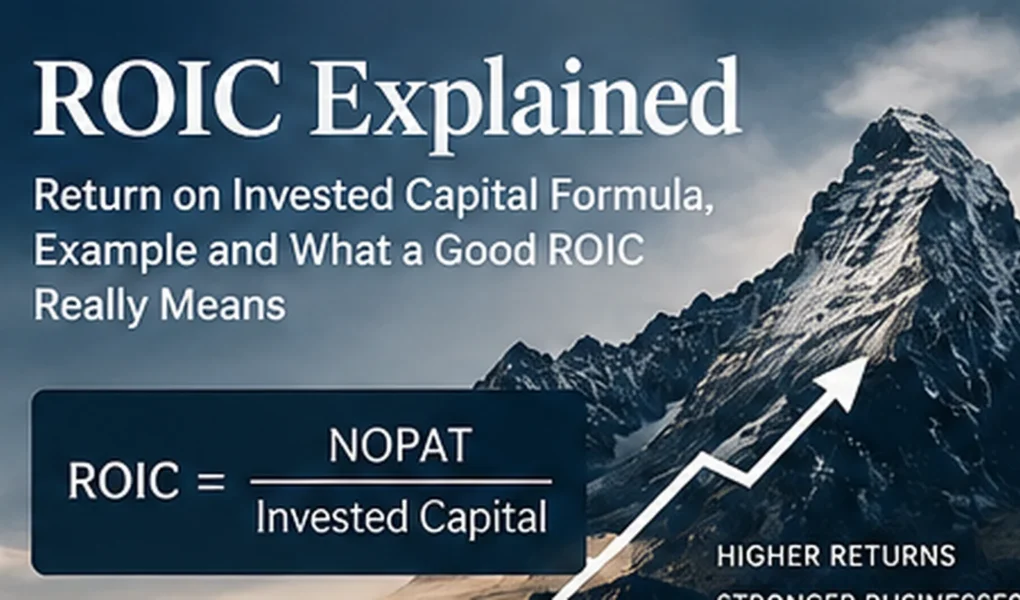
ROIC shows how efficiently a company turns invested capital into after-tax operating profit. Learn the ROIC formula, NOPAT, invested capital, worked examples and what a good ROIC really means.
WACC is the weighted average cost of capital used to discount company cash flows. Learn the formula, cost of equity, cost of debt, a worked example and why small changes